
Whether you are knocking down an old structure, trenching utility lines, or transforming a residential backyard, a mini excavator is the ultimate force multiplier. At PC Rents, we provide a fleet of versatile, high-performance compact excavators designed to bring efficiency to your job site.
This comprehensive guide will help you navigate machine sizes, choose the right attachments, optimize your budget, and keep your operators safe.
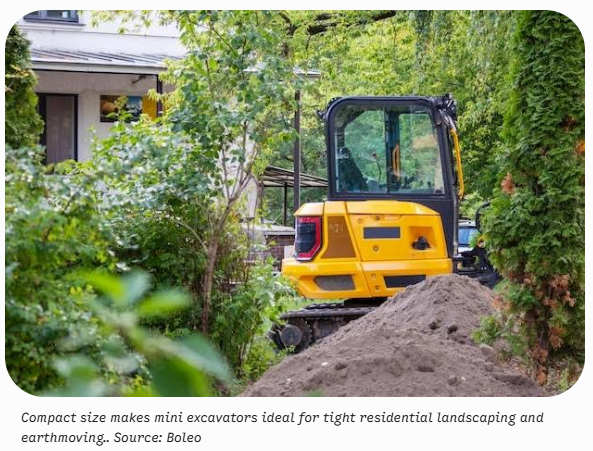
1. Pre-Rental Planning: Assessing Your Job Site
Before booking your machine, a few quick spatial and operational constraints will point you directly to the right model. Ask yourself these critical questions:
- What is the exact task? Are you doing fine grading, deep footing excavations, or demolishing concrete slabs?
- What is your maximum required dig depth? Always allow a buffer beyond your deepest target cut.
- Are there tight physical bottlenecks? Measure fence gates, low-hanging branches, and overhead power structures. For high-precision or ultra-confined spaces, a micro unit like the Bobcat E20 thrives. For deep reach and massive breakout force, our heavy-duty E60 or E88 models are the industry standards.
2. Choosing the Right Mini Excavator Size Class
Matching the equipment scale to your job avoids two massive pitfalls: overpaying for unneeded power, or stalling a site with an undersized machine. Use our size-to-project matrix to select your ideal weight class:
| Size Class | Weight Range | Best For | Typical Applications |
| Under 1 Ton | 800 – 1,900 lbs | Ultra-tight spaces, indoor work | Interior demolition, small residential gates |
| 1 – 2 Ton | 2,000 – 4,000 lbs | Light utility work, grading | Trenching for PVC conduits, backyard ponds |
| 3 – 5 Ton | 6,000 – 10,000 lbs | Mid-size site prep, foundation work | Light commercial footings, retaining walls |
| 6 – 10 Ton | 12,000 – 20,000 lbs | Heavy civil lifting, deep cuts | Deep sewer mains, large-scale site clearing |
3. Maximizing Machine Versatility with Attachments
The bucket is just the beginning. Upgrading your rental with specialized work tools can eliminate the need to rent entirely separate pieces of machinery.
- Hydraulic Thumb: Acts like a clamp against the bucket. Crucial for gripping, sorting, and loading irregular items like heavy logs, erratic boulders, and structural demo debris.
- Trenching Bucket: Built narrow for high-precision excavation. Perfect for laying down clean utility conduits, water line channels, and deep drainage paths.
- Auger: High-torque hole boring drives. Saves days of manual labor when setting fence lines, deck footings, or planting large root-ball trees.
- Plate Compactor: Vibratory ground firming tool. Vital for stabilizing soil bases inside trenches, under slab pours, and along retaining walls.
Pro-Tip: Bundle your attachments directly with your primary excavator rental. Having them ready on day one avoids mid-project downtime and cuts down on redundant transport fees.
4. Understanding Rental Rates & Cost-Saving Strategies
We offer flexible, tier-based pricing structures to fit your workflow.
Average Estimated Fleet Rates
- Daily Rate: $300 – $650*
- Weekly Rate: $800 – $1,600*
- Monthly Rate: $1,500 – $3,500*
*Prices vary by model size, are subject to change - Pro-Tips to Stretch Your Budget
- Extend Your Window: Weekly and monthly rates offer a significantly lower cost-per-day ratio compared to daily turnarounds.
- Buffer for Reality: We highly recommend overestimating your project timeline by 2 to 3 days. This small buffer protects you from cascading delays caused by bad weather or surprise subterranean obstacles.
- Ask About Seasonal Specials: Inquire with our team about current weekend rate packages or our customized winter “ice deals” to lock in premium off-season value.
5. Site Safety & Field Operational Guidelines
Safety isn’t just about compliance; it protects your team and your bottom line. Ensure your operators strictly adhere to these operating frameworks.
The Pre-Operation Walkaround
1.Check Fluid Reservoirs:Visual & Dipstick Check.
Verify the engine oil, hydraulic fluid levels, and radiator coolants are completely topped off to avoid dry running or overheating.
2.Inspect Track Assembly:Tension & Wear Tracking.
Look for deep gouges in the rubber, loose links, or structural debris lodged inside the idler or sprocket wheels.
3.Secure Attachment Pins:Coupler Verification.
Ensure the wedge pins or quick-coupler latches are locked solid. Test hydraulic line connections for minor weeping leaks.
4.Verify Control Response:Cabin Functionality.
Start the engine and run the joysticks through a brief, low-RPM test cycle to verify the boom, arm, bucket, and swing house respond cleanly.
Golden Rules of Operation
- Personal Protective Equipment (PPE): Always don a hard hat, high-visibility vest, steel-toed boots, and safety glasses when on the ground or in an open canopy.
- Clear the Radius: Constantly monitor your machine’s tail swing and boom reach. Keep ground personnel completely clear of the operating zone.
- Slope Management: Always navigate straight up or straight down an incline. Driving horizontally across a slope shifts the center of gravity and heavily risks a rollover.
- Return Refueled: To skip additional service fees, remember to top off the diesel tank to match its initial delivery level.
Need Help On-Site?
Every PC Rents machine comes backed by our dedicated Field Service Support Team. If you experience unexpected performance hiccups or need a breakdown on how to operate specialized attachments (like hydraulic concrete breakers), call our team immediately. We provide swift on-site maintenance and troubleshooting to keep your project moving.
Be sure to ask your representative about our Rental Protection Plan for peace-of-mind coverage on the job.